


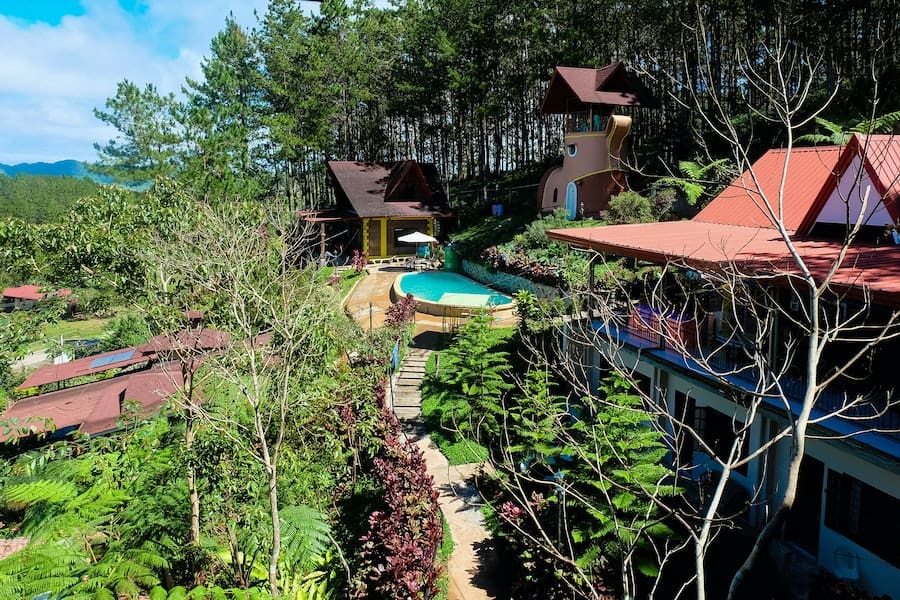
Looking for the best resorts in Temecula? You’ve come to the right place! In this blog post, we will discuss some of the best places to stay in the area. Whether you’re looking for a luxurious resort or something more affordable, we have you covered. So, what are you waiting for? Read on to find out where to stay for a perfect vacation!
Best Resorts in Temecula
1. Pechanga Resort & Casino

Pechanga Resort & Casino is the largest casino in the Western US, and one of the largest in the world. With over 4,500 slot machines and 200 table games, Pechanga offers something for everyone.
Other facilities:
- 14 restaurants,
- a comedy club,
- movie theater,
- and spa
Exact Location: 45000 Pechanga Pkwy, Temecula, CA 92592
2. Temecula Creek Inn
Temecula Creek Inn is a beautiful resort located in the heart of Temecula Wine Country. The resort offers a 27-hole championship golf course, a full-service spa, and fine dining. Guest rooms and suites are spacious and well-appointed with all the modern amenities you need for a comfortable stay.
Other facilities:
- 27-hole championship golf course
- Full-service spa
- Fine dining
- Spacious guest rooms and suites
- Modern amenities
Exact Location: 44501 Rainbow Canyon Rd, Temecula, CA 92592
3. Carter Estate Winery and Resort

Carter Estate Winery and Resort is one of the best places to stay in Temecula. The resort is spread over 19 acres and offers a stunning view of the vineyards and mountains. The resort has its own winery and produces some of the finest wines in Temecula. Guests can tour the winery, participate in wine tastings, and learn about the wine-making process. The resort also has a luxury spa where guests can relax and rejuvenate. There are 37 spacious and well-appointed guest rooms at the resort, each with a private balcony or patio. The resort also has a restaurant that serves American cuisine with a Californian twist.
Other facilities:
- Outdoor pool
- Fitness center
- Wine tasting room
- Luxury spa
Exact Location: 34450 Rancho California Rd, Temecula, CA 92591
4. South Coast Winery Resort & Spa

The South Coast Winery Resort & Spa is one of the best resorts in Temecula. Located in the heart of wine country, this resort offers its guests luxury accommodations and amenities, as well as access to some of the best wineries in the area. The rooms at the South Coast Winery Resort & Spa are spacious and well-appointed, and the resort itself offers a variety of dining and entertainment options. Guests can also enjoy access to the on-site spa, which features a variety of treatments designed to relax and rejuvenate.
Other facilities:
- Golf course
- Tennis courts
- Fitness center
- Outdoor pool
- Wine tasting room
Exact Location: 34843 Rancho California Rd, Temecula, CA 92591
5. Ponte Vineyard Inn

The Ponte Vineyard Inn is a picturesque Tuscan-style resort located in the heart of Temecula Wine Country. The inn offers its guests luxurious accommodations, world-class amenities, and breathtaking views of the vineyards. Guests can enjoy wine tasting at the on-site winery, relaxing in the outdoor pool, or exploring the many nearby wineries and tasting rooms.
Other facilities:
- On-site winery
- Outdoor pool
- Wine tasting
- Nearby wineries and tasting rooms
Exact Location: 35001 Rancho California Rd, Temecula, CA 92591
6. Thornton Winery
Thornton Winery is one of the best resorts in Temecula. It offers a wide variety of wines and Champagnes, as well as a beautiful outdoor setting. The winery also has an on-site restaurant, which serves up some of the best cuisines in the area.
Other facilities:
- Wine tasting
- On-site restaurant
- Outdoor setting
Exact Location: 32575 Rancho California Rd, Temecula, CA 92591
7. The Inn at Europa Village

The Inn at Europa Village is a cozy and romantic resort located in the heart of Temecula wine country. The resort features elegant rooms and suites, each with a private patio or balcony overlooking the vineyards. Guests can enjoy wine tastings at the on-site winery, relax in the outdoor pool or hot tub, or explore the surrounding area with one of the resort’s complimentary bicycles.
Other facilities:
- Wedding venue,
- outdoor pool,
- hot tub,
- complimentary bicycles
Exact Location: 33350 La Serena Way, Temecula, CA 92591
8. Callaway Vineyard & Winery

Located in Temecula Wine Country, Callaway Vineyard & Winery is one of the most beautiful resorts in Temecula. The resort has a Mediterranean-style villa that overlooks vineyards and rolling hills. The villa has a spacious living room with a fireplace, a dining room, and a fully equipped kitchen. There are also three bedrooms and two bathrooms. The resort has a swimming pool, a spa, and a fitness center.
Other facilities:
- Swimming pool
- Spa
- Fitness center
- Fireplace
- Fully equipped kitchen
Exact Location: 32720 Rancho California Rd, Temecula, CA 92591
9. Briar Rose Winery
Briar Rose Winery is one of the best places to stay in Temecula. The place has a very relaxing and romantic ambiance which makes it perfect for couples. It also offers a wide variety of wines and other drinks that you can enjoy during your stay. The staff is very friendly and helpful, and they will make sure that you have a great time at the resort.
Other facilities:
- Outdoor pool
- WiFi
- Breakfast included
Exact Location: 41720 Calle Cabrillo, Temecula, CA 92592
10. Oak Mountain Winery

Oak Mountain Winery is one of the best resorts in Temecula. It offers stunning views of vineyards, beautiful gardens, and a great selection of wines. The staff is very friendly and helpful, and the accommodations are top-notch.
Other facilities:
- Fitness center
- Wine tastings and tours
- Golf course
- Tennis courts
- Spa
Exact Location: 36522 Vía Verde, Temecula, CA 92592
Wrapping Up
There you have it! These are the 10 best resorts in Temecula. If you’re looking for a place to stay during your next visit to Temecula, be sure to check out one of these resorts. You won’t be disappointed.
